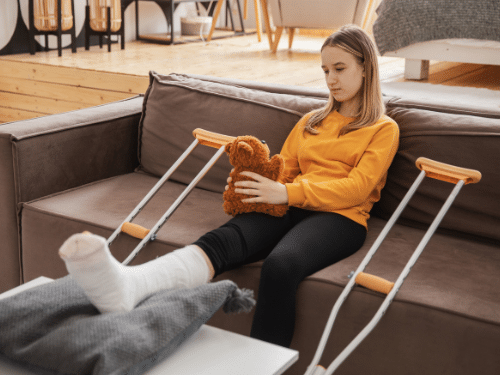
If you are injured at a short-term rental in Nevada, you may have grounds to pursue compensation when the property owner’s negligence contributes to your injuries. Vacation rentals, including Airbnb and Vrbo properties, must be maintained with reasonable care. Dangerous property conditions at a short-term rental, such as broken stairs, defective railings, slippery surfaces, or faulty electrical systems, can expose guests to serious injuries. However, determining liability requires examining the owner’s responsibilities, knowledge of the hazard, and whether reasonable precautions could have prevented the accident.
Key Takeaways
- Short-term rental owners may be responsible for injuries caused by negligent property maintenance.
- Dangerous conditions can include defective stairs, unsafe balconies, inadequate lighting, and swimming pool hazards.
- Evidence showing that an owner knew or reasonably should have known about a hazard can help establish liability.
- Nevada negligence laws may allow injured guests to recover medical expenses, lost wages, and other damages.
- Photographs, booking records, maintenance reports, and medical documentation can strengthen a personal injury claim.
If you were injured while staying at a Nevada vacation rental, George Bochanis Injury Law Offices can help you evaluate your legal options. Call (702) 388-2005 to discuss your injuries and whether the property owner may be responsible.
When Can a Short-Term Rental Owner Be Held Liable for Injuries?
A short-term rental owner may face liability when negligent maintenance or failure to address a dangerous condition causes a guest’s injury.
Under Nevada premises liability principles, property owners generally must exercise reasonable care toward lawful visitors. This responsibility can include inspecting the property, correcting reasonably discoverable hazards, and providing appropriate warnings about dangers that cannot immediately be repaired.
However, property owners are not automatically responsible for every accident. An injured guest generally must establish that the owner owed a duty of care, breached that duty, and caused compensable injuries. A slip and fall lawyer can examine photographs, maintenance records, witness statements, and medical documentation to determine whether the evidence supports a claim.
Does the Property Owner Have to Know About the Hazard?
The owner’s knowledge of a dangerous condition can affect liability. Actual notice exists when the owner knows about a hazard through inspections, complaints, or previous incidents. Constructive notice may arise when a condition exists long enough that reasonable inspections should have revealed it.
Whether notice must be established depends on how the dangerous condition arose and the applicable negligence principles. Documentation showing that an owner knew about unsafe conditions before the accident may help establish notice.
How Do Nevada Safety Regulations Apply to Vacation Rentals?
Nevada has laws addressing health and safety requirements for certain lodging establishments. The state’s lodging safety requirements may be relevant when a short-term rental falls within the classifications covered by those provisions.
However, not every privately rented home or vacation property is automatically subject to the same requirements as a hotel or another regulated lodging establishment. Applicable obligations may also depend on local licensing requirements, building standards, and the property’s use.
Can Building Code Violations Support an Injury Claim?
Building and fire safety requirements can help establish whether a rental property met applicable standards. Evidence of code violations may be relevant when an injury involves defective electrical systems, missing safety equipment, unsafe stairs, or other regulated conditions.
A regulatory violation does not automatically establish liability. Its legal significance depends on the particular requirement, the circumstances, and whether the violation contributed to the injury.
Can You Sue for Injuries Caused by Poor Security at a Vacation Rental?
Some short-term rental injuries involve inadequate security rather than defective physical structures. Broken locks, unsecured entrances, and ignored reports of threatening activity may create concerns about guest safety.
In these situations, foreseeability can influence whether a property owner had a legal duty to take additional precautions against criminal conduct.
Nevertheless, property owners do not guarantee protection against every criminal act. Liability depends on whether the circumstances established a duty, whether that duty was breached, and whether the breach caused the injuries.
Who Is Responsible When a Guest Is Injured at a Short-Term Rental?
Determining responsibility may involve more than identifying the person listed as the property’s owner.
Responsible parties can include:
- Property owners: Individuals or entities responsible for maintaining the rental premises.
- Property management companies: Businesses that oversee maintenance, inspections, and guest accommodations.
- Maintenance contractors: Companies whose negligent repairs or services contribute to dangerous conditions.
- Other responsible parties: Individuals or businesses whose conduct contributed to the injury.
Responsibility depends on each party’s duties, control over the property, and involvement in creating or failing to address the hazard.
Is Airbnb or Vrbo Automatically Responsible for Guest Injuries?
Booking a rental through Airbnb or Vrbo does not automatically make the platform legally responsible for injuries occurring at the property. Liability depends on the platform’s role, the allegations, applicable laws, and contractual arrangements.
Some booking platforms offer liability insurance programs for qualifying incidents. However, insurance availability does not independently establish legal responsibility or guarantee compensation.
Does Hiring a Property Manager Remove the Owner’s Responsibility?
Short-term rental owners frequently hire management companies to handle cleaning, maintenance, inspections, and guest communications. However, delegating these responsibilities does not necessarily eliminate the owner’s liability.
If a guest is injured because of a dangerous property condition, determining responsibility may require examining the management agreement and each party’s actual control over maintenance decisions. Both the owner and property manager may face liability when their respective failures contribute to the injury.
Can a Property Owner Be Responsible for Dangerous Amenities?
Vacation rentals frequently include amenities that require ongoing maintenance, including swimming pools, hot tubs, fire pits, and elevated patios. An owner who provides these features may need to take reasonable precautions against foreseeable hazards associated with their condition or operation. Whether the owner is liable depends on the nature of the hazard, applicable safety requirements, and whether negligent maintenance contributed to the accident.
Can a Short-Term Rental Owner Be Liable for Hazards Created by Previous Guests?
Frequent guest turnover can make it difficult to determine when a dangerous condition developed and who caused it. However, a property owner may still face liability when a previous guest creates a hazard that remains unaddressed before the next visitor arrives.
The key issue is whether the owner knew or reasonably should have discovered the hazard before the injured guest encountered it. The fact that another guest originally caused the damage does not automatically eliminate the owner’s responsibility.
Speak With a Nevada Short-Term Rental Injury Attorney
Being injured at a short-term rental can create unexpected medical expenses, missed work, and uncertainty about who should pay for your losses.
When dangerous property conditions at a short-term rental result from negligent maintenance or other legally actionable failures, the responsible parties may face civil liability.
An attorney can investigate the property conditions, identify potentially responsible parties, and evaluate available insurance coverage.
Contact George Bochanis Injury Law Offices at (702) 388-2005 to discuss your short-term rental injury, understand your legal rights, and explore your options for pursuing compensation.