
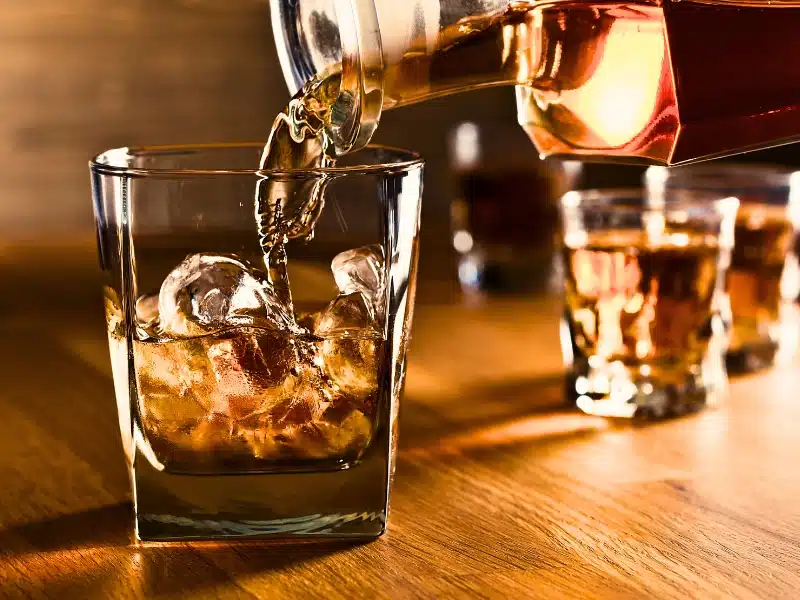
Las Vegas is known for its nightlife, entertainment, and hospitality. Bars, casinos, and resorts serve millions of guests each year, often in environments where alcohol consumption is encouraged. While most guests enjoy these experiences responsibly, problems can arise when establishments continue serving alcohol to visibly intoxicated patrons.
When businesses are liable for overserving alcohol, the consequences can include injuries, assaults, accidents, and significant legal claims. Understanding when a bar or casino may be held responsible is important for anyone who has been harmed in these situations.
If you or a loved one has been injured due to overservice or unsafe conditions in a Las Vegas establishment, contact George Bochanis Injury Law Offices at (702) 388-2005 to discuss your legal options.
Key Takeaways
- Bars and casinos may be liable for overserving alcohol when they continue serving visibly intoxicated patrons.
- Nevada law limits liability in some cases, but exceptions may apply depending on the circumstances.
- Overserving can contribute to assaults, falls, and other injuries inside or near the property.
- Liability may extend to security failures, inadequate supervision, or unsafe premises.
- Legal guidance can help determine whether a claim is viable under Nevada law.
Understanding Overserving in Las Vegas
Overserving occurs when a business continues to provide alcohol to a patron who is already visibly intoxicated. Signs of intoxication may include slurred speech, impaired coordination, aggressive behavior, or confusion.
In a busy casino or nightclub environment, these signs can sometimes be overlooked or ignored. However, staff members are generally expected to recognize obvious signs of intoxication and take reasonable steps to stop service when necessary.
The National Institute on Alcohol Abuse and Alcoholism notes that excessive alcohol consumption can impair judgment, coordination, and reaction time. These impairments increase the risk of accidents and violent incidents, particularly in crowded public settings. When establishments ignore these risks, questions may arise about whether they are liable for overserving alcohol and the harm that follows.
Nevada Law and Alcohol Liability
Nevada’s approach to alcohol-related liability differs from many other states. Unlike jurisdictions with dram shop laws that impose direct liability on alcohol vendors, Nevada generally limits when businesses can be held responsible for injuries caused by intoxicated patrons.
Limited Liability for Alcohol Service
Under Nevada law, businesses that serve alcohol are typically not automatically liable for injuries caused by a patron after leaving the premises. This means that simply serving alcohol, even in large amounts, does not always create legal responsibility. However, this does not mean that bars and casinos are immune from liability in all situations.
When Liability May Still Apply
Businesses may still be liable for overserving alcohol when additional factors are present. Liability often arises when the establishment’s conduct goes beyond alcohol service and involves negligence in maintaining a safe environment. For example, if staff continue to serve a clearly intoxicated person who then causes harm inside the property, the business may face liability for failing to intervene.
When Overserving Leads to Injuries
Overserving alcohol can contribute to a wide range of incidents. In Las Vegas, where alcohol consumption often occurs alongside gambling and entertainment, the risks may be heightened.
Assaults and Violent Incidents
Alcohol can impair judgment and increase aggressive behavior. When intoxicated patrons become disruptive or violent, other guests may be placed at risk.
If a business fails to address escalating behavior, it may contribute to situations where someone is assaulted in a casino. In these cases, liability may involve both overservice and inadequate security.
Slip and Fall Accidents
Intoxicated individuals are more likely to lose balance or fail to notice hazards. When combined with crowded environments, spills, or poor lighting, this can lead to falls and injuries. Property owners have a duty to maintain reasonably safe premises. If unsafe conditions contribute to an accident, liability may extend beyond alcohol service.
Accidents Within the Property
Overserving can also lead to accidents involving escalators, elevators, gaming areas, or hotel facilities. When staff fail to monitor intoxicated patrons or intervene appropriately, injuries may occur that could have been prevented.
The Role of Security and Supervision
Casinos and large venues typically employ security personnel to monitor guest behavior and respond to risks. Effective security can help prevent incidents involving intoxicated patrons.
Failure to Intervene
When staff observe signs of intoxication but take no action, the risk of harm increases. Security teams are expected to step in when a situation becomes unsafe. Failing to remove or manage a disruptive guest may contribute to injuries that occur shortly afterward.
Inadequate Policies or Training
Businesses may also be liable when their policies or training programs fail to address alcohol-related risks. Staff should be trained to recognize intoxication, stop service, and involve security when necessary. When these systems break down, liability may arise from broader failures in supervision and management.
Premises Liability and Overserving
Many claims involving overserving alcohol fall under premises liability law. This area of law focuses on a property owner’s duty to maintain a safe environment for guests.
Duty of Care
Bars, casinos, and hotels owe a duty of care to their patrons. This includes taking reasonable steps to prevent foreseeable harm. When a business continues serving alcohol to a visibly intoxicated person and fails to address resulting risks, it may breach this duty.
Linking Overservice to Injury
To establish liability, it is often necessary to show that overserving alcohol contributed directly to the injury. This may involve demonstrating that staff ignored clear signs of intoxication or failed to act when a situation escalated. In many cases, liability is not based on alcohol service alone but on the combination of overserving and unsafe conditions.
Broader Liability for Injuries and Incidents
Las Vegas casinos and resorts are large, complex environments where multiple factors can contribute to injuries. Overserving alcohol may be one piece of a larger pattern of negligence. Understanding liability for injuries and deaths can help clarify how different forms of negligence interact in these cases. For example, a claim may involve overserving, inadequate security, poor lighting, and failure to respond to complaints. When these issues combine, the likelihood of harm increases.
Who May Be Held Responsible
Liability for overserving alcohol in Las Vegas may involve multiple parties depending on the circumstances.
Responsible parties can include:
- Bars or nightclubs
- Casinos
- Hotels and resorts
- Event organizers
- Security contractors
In some cases, responsibility may be shared among several entities. Identifying all responsible parties is an important step in pursuing a claim.
Working with a casino injury lawyer can help evaluate the facts and determine who may be liable.
The Role of Hotels and Resorts
Many Las Vegas casinos are part of larger hotel properties. This means that incidents related to overserving alcohol may extend beyond the gaming floor.
For example, an intoxicated guest may cause harm in hallways, elevators, or other hotel areas. In these situations, the property owner’s responsibility may include both alcohol service and general premises safety. An experienced hotel injury attorney can assess how these factors interact and whether the hotel failed to maintain a safe environment.
Evidence in Overserving Cases
Proving that a business is liable for overserving alcohol often requires detailed evidence. This may include surveillance footage, witness statements, incident reports, and staff records.
Key evidence may involve:
- Video showing the patron’s condition
- Receipts or records of alcohol service
- Security logs or incident reports
- Testimony from employees or other guests
This information can help establish whether the patron was visibly intoxicated and whether the business took appropriate action.
Why Legal Guidance Matters
Cases involving overserving alcohol can be complex, especially in Nevada where liability laws are more limited than in other states. Determining whether a claim exists requires careful analysis of the facts and applicable legal standards.
An attorney can review evidence, identify responsible parties, and develop a strategy tailored to the case. Legal representation can also help navigate insurance claims and negotiations.
Protecting Your Rights After an Incident
When injuries occur due to overserving alcohol, taking prompt action can make a difference. Documenting the scene, seeking medical attention, and preserving evidence are important steps.
Understanding your rights is equally important. While Nevada law limits certain claims, exceptions and additional factors may create opportunities for recovery.
If you were injured in a Las Vegas bar, casino, or resort and believe overserving alcohol played a role, speaking with an attorney can help clarify your options. Contact George Bochanis Injury Law Offices at (702) 388-2005 to discuss your case.