
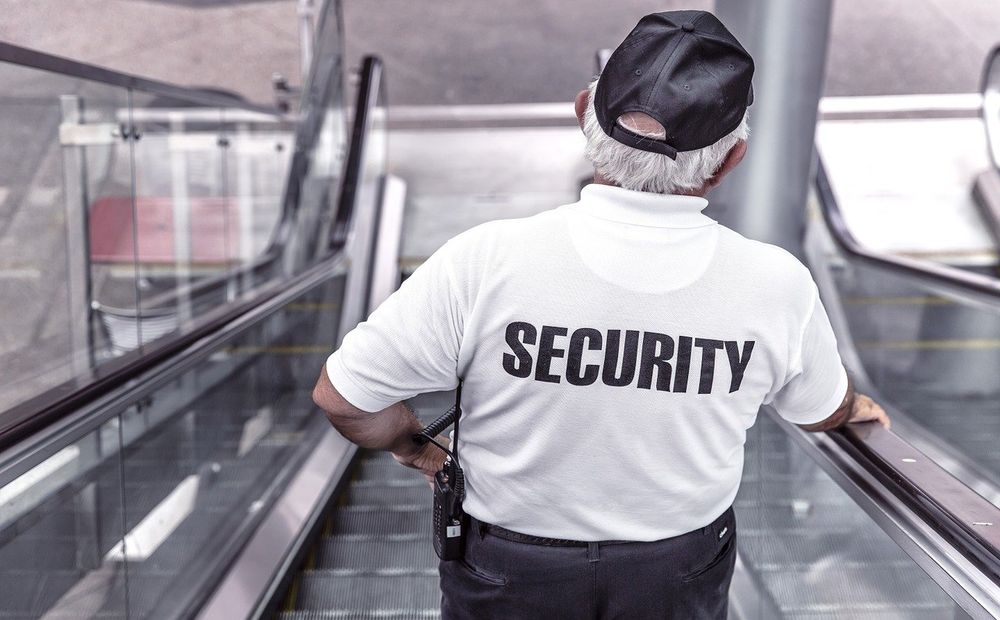
Las Vegas, NV (April 28th, 2026) – Establishments on the Las Vegas Strip bear a legal responsibility to implement reasonable security measures to protect guests from foreseeable harm and criminal activity. When property owners fail to address known safety risks, an event injury lawyer helps victims pursue compensation for damages sustained due to these oversights.
If you or a loved one suffered harm due to a lack of proper safety measures, contact the George Bochanis Injury Law Offices at (702) 388-2005 to discuss your legal options.
Key Takeaways
- Las Vegas Strip properties utilize a combination of visible security personnel and advanced surveillance technology.
- Property owners must maintain safety standards that address both internal and external threats to guests.
- Victims of incidents involving inadequate security may have grounds for a premises liability claim.
- Cooperation between private security and local law enforcement is standard for major events in Nevada.
Security Enhancements Following Local Incidents
Property owners across Las Vegas continue to reevaluate their safety protocols in response to shifting security concerns and high-profile incidents. The focus remains on creating a secure environment through both overt and covert measures, ranging from bag checks at theater entrances to sophisticated facial recognition software. These systems aim to deter criminal behavior while providing a rapid response to any emergency that arises during a crowded event.
Current Safety Measures for Strip Properties
Recent reports highlight the multifaceted approach Las Vegas resorts take to ensure patron safety amid evolving threats. Major properties along the Strip utilize a blend of human resources and technological tools. This includes armed and unarmed security guards, K-9 units trained in explosives detection, and a vast network of high-definition cameras monitored in real-time.
Beyond physical presence, many resorts have implemented “know your guest” protocols. These may include requirements for valid identification at check-in and the use of scanners to vet individuals entering specific venues. During large-scale gatherings, these safety measures on the Strip often expand to include temporary perimeters and increased coordination with the Las Vegas Metropolitan Police Department.
Determining Liability After an Event Injury
When a person sustains an injury during a concert, convention, or casino visit, the question of liability often centers on whether the harm was foreseeable. Under Nevada law, property owners must take reasonable steps to prevent third-party criminal acts if they have reason to know such acts are likely. An event injury lawyer examines whether the venue had a history of similar incidents or if the current threat level warranted higher security staffing.
Liability may arise from several security shortfalls. These include:
- Insufficient lighting in parking garages or walkways.
- Inadequate training for security personnel.
- Broken locks or malfunctioning surveillance equipment.
- Failure to respond to reports of suspicious behavior.
- Lack of crowd control measures during peak hours.
Legal Recourse for Victims of Negligent Security
Victims who suffer harm due to a lapse in security can seek compensation through personal injury claims in Las Vegas. These claims typically fall under premises liability law. To succeed, a plaintiff must demonstrate that the property owner owed them a duty of care, breached that duty by providing inadequate security, and that this breach directly resulted in their injuries.
For those injured at a Las Vegas casino, the process involves gathering evidence such as surveillance footage, incident reports, and witness statements. Property owners often have teams of lawyers dedicated to minimizing payouts. Working with a legal professional helps ensure that all evidence is preserved and that the victim’s rights remain protected throughout the litigation process.
Understanding Hotel and Resort Obligations
Large resorts operate as common carriers or innkeepers in many legal contexts, which sometimes elevates the standard of care they must provide to guests. This obligation extends beyond the casino floor to include guest rooms, hallways, and elevators. When hotel injuries occur because an unauthorized individual gained access to a restricted area, the hotel may be held responsible for the resulting damages.
Security protocols must be consistent and proactive. If a resort identifies a specific threat but fails to warn guests or increase patrols, it may be found negligent. Courts look at the totality of the circumstances to determine if the security in place was appropriate for the specific location and the nature of the event taking place.
The Impact of Crowd Density on Public Safety
High-traffic areas like the Strip present unique challenges for security teams. Large crowds can mask suspicious activity and slow down the response time of emergency services. Effective security management requires planning for crowd flow and ensuring that exits remain unobstructed. When venues oversell tickets or fail to manage entry points, the risk of trampling or physical altercations increases significantly.
Proper event management includes hiring enough staff to monitor the density of the crowd. When a venue ignores these safety principles for the sake of profit, the risk to the public grows. Legal action serves not only to compensate the victim but also to hold corporations accountable for their safety standards.
If you have questions regarding an injury sustained at a local venue, reach out to the team at George Bochanis Injury Law Offices. Our office helps victims navigate the legal system to secure the compensation they need for medical bills and lost wages. Call (702) 388-2005today for a free consultation regarding your case.
Frequently Asked Questions
What is negligent security?
Negligent security is a type of premises liability claim where a person is harmed by a third party because the property owner failed to provide adequate safety measures. This can include lack of guards, poor lighting, or failed surveillance.
Can I sue a casino if I am robbed in the parking lot?
You may be able to sue a casino if the parking lot lacked reasonable security measures, such as patrols or working cameras, and if the casino should have known the area was dangerous based on previous criminal activity.
How long do I have to file a claim for an injury on the Strip?
In Nevada, the statute of limitations for personal injury claims is generally two years from the date of the incident. It is vital to consult with a legal professional early to ensure all deadlines are met and evidence is collected.